
CX365 Pricing

Managed IT Support Pricing: Four Parts, One Price Per Person

Four parts, one price per person

We publish our pricing because you should be able to work out roughly what you will pay before you sit through a sales call. IT Support, Cyber Security, Connectivity and Digital Marketing, each priced per person, all on one invoice.

Watch: how CX365 pricing works in under 5 minutes

Four parts, one invoice

We design each layer around your business

These four parts are not a pick-and-mix. On your clarity call, we walk through each one together, understanding how your team works, where the risks sit, and what you actually need before recommending a configuration. The result is a plan shaped to your business, not a generic package.

1

IT Support

When does your team work? We match the helpdesk window to your operating hours. Helpdesk, patching, monitoring, documentation, roadmap and onsite visits, all included.

2

Cyber Security

We assess the sensitivity of the data you hold, your industry obligations, and any compliance requirements to recommend the right Essential Eight maturity level.

3

Connectivity

Office locations, servers, internet and phones. Each site gets a managed network, 24/7 monitoring, and the Lifetime Network Hardware Guarantee.

4

Digital Marketing

CX365 Growth CRM is included on every plan. AI automations, organic SEO and web hosting are optional add-ons to help your business grow.

IT Support

Choose when you need the phone answered

Support hours are completely independent of your cyber tier. Pick the hours that suit when your team works. No hourly rates, no surprise invoices. The fee funds a real allocation of helpdesk time.

9 to 5 support

9 to 5 Support

$125 /user/mo

ex GST

Business hours helpdesk coverage. The starting point for most businesses.

Extended support

Extended Support

7am to 7pm

$150 /user/mo

ex GST

Early morning through evening. Suits firms that work beyond standard hours.

24/7 support

24/7 Support

$200 /user/mo

ex GST

Round the clock coverage for businesses that never stop.

Every tier includes

Helpdesk by phone, email and portal
Patching and monitoring
Documentation of every device, licence and password
Monthly report
Quarterly roadmap
CX365 client portal

Response: most requests are answered within 15 minutes in business hours. Our target is one hour to a technician working on it, and we report it to you every month.

Scheduled onsite visits, set by headcount

Staff Onsite frequency
Under 30On request, $200/hr
30 to 59Monthly
60 to 89Fortnightly
90 to 119Weekly
120 to 149Twice weekly
150+Three days a week

Anything urgent is onsite same or next business day regardless of band.

At 120 users and above, you get a named engineer, the same person every visit.

Cyber Security

Three tiers aligned to the Essential Eight

Cyber security is mandatory on every CX365 plan. You choose the maturity level based on your industry, compliance needs and the sensitivity of your data. Support hours are chosen separately.

Ignite cyber security tier

Ignite

Essential Eight ML1

$100 /user/mo

ex GST

Baseline for most SMBs. Covers the majority of common attacks.

  • M365 Business Premium included
  • Cloud Backup, BitLocker, Password Manager
  • EDR, Web Filter, Email and Endpoint Protection
  • Dark Web Monitoring, MFA, Awareness Training

Most popular Secure cyber security tier

Secure

Essential Eight ML2

$150 /user/mo

ex GST

For firms holding sensitive client data: legal, accounting, financial, medical.

  • Everything in Ignite
  • SIEM, Email Encryption, FIDO2 Security Keys
  • Application control and hardening
Fortress cyber security tier

Fortress

Essential Eight ML3

$250 /user/mo

ex GST

For targeted attacks or strict regulatory obligations.

  • Everything in Secure
  • DLP (Data Loss Prevention)
  • Advanced compliance controls and advisory

We answer your cyber insurance questionnaire with you, at every level. Insurers increasingly ask about multi-factor authentication, patching, backups and administrative access, exactly the controls the Essential Eight covers. Bring your insurer's questionnaire and we will go through it against what your tier delivers.

Connectivity

Locations, servers, internet and phones

Every office gets a managed network with 24/7 monitoring. Internet and phones are optional. Most clients move them across eventually because a single point of contact is easier when something breaks.

Office network management

Office Locations

$200 /location/mo

ex GST

Network, Wi-Fi, printers, 24/7 monitoring, and the Lifetime Network Hardware Guarantee: routers, switches, firewalls and access points bought through CX are paid for once, kept updated and replaced if faulty or aged out, free, for as long as you are a client.

Server management

Onsite Servers

$300 /server/mo

ex GST

Endpoint protection, maintenance, patching and file-based backup. Image-based backup for full server recovery available as a higher option.

Do you still need a server? We assess this with you, taking a server out is usually the fastest saving available.
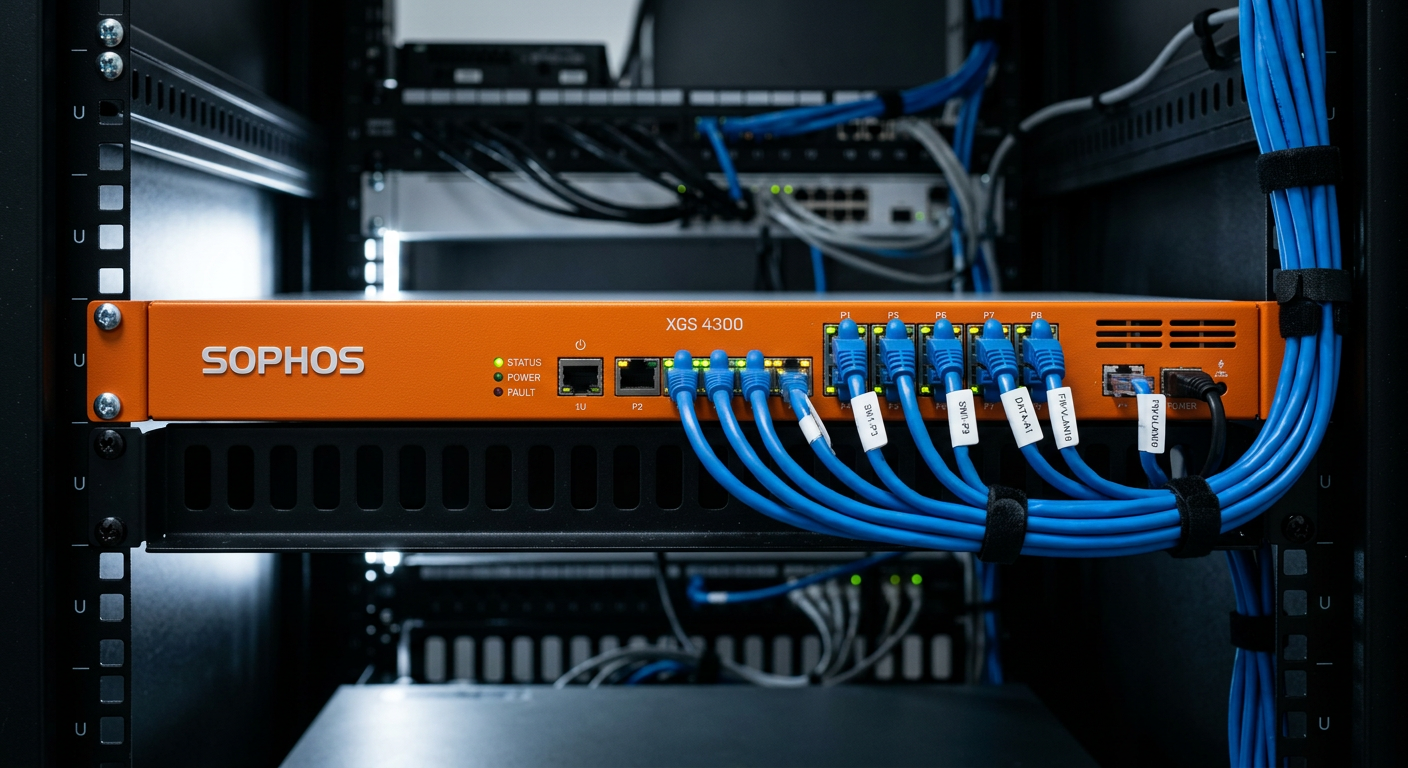
Managed business internet

Managed Internet

$20 /user/mo

ex GST, optional, pooled across your locations, minimum $100 per connected location. Fibre or NBN per site is decided at the audit.

  • Business-grade symmetrical fibre
  • Router and firewall included and managed
  • Service level agreement

Why per user: bandwidth and phone lines scale with headcount, so a growing team never hits a bottleneck.
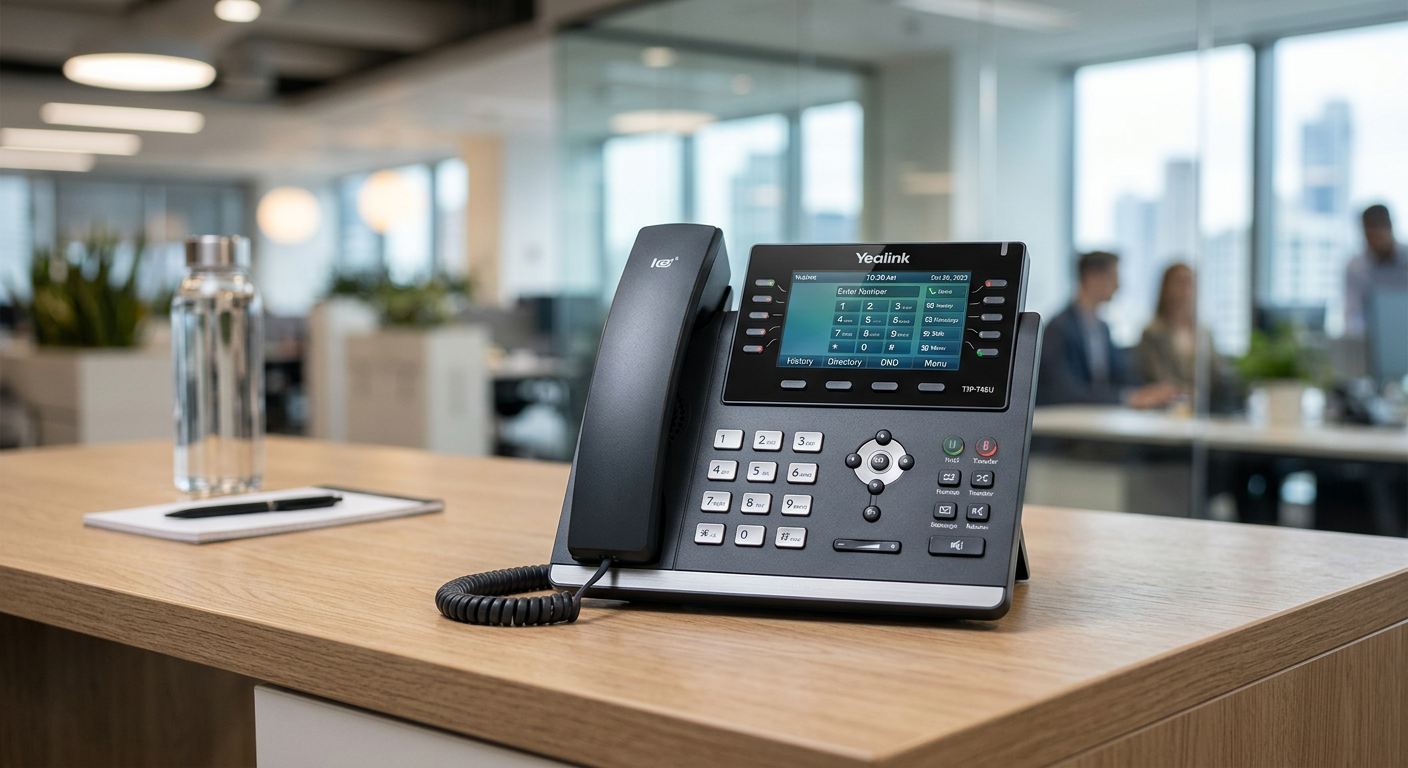
Managed business phones

Managed Phones

$30 /user/mo

ex GST, optional

  • Unlimited channels and calls included
  • Number porting included
  • System capacity grows automatically as you hire

You can keep your existing phone numbers and provider.

Digital Marketing

CX365 Growth CRM and marketing tools

Every CX365 plan includes the Growth CRM. Optional add-ons let you bolt on AI, SEO and web hosting when you are ready.

Included with every plan

CX365 Growth CRM

CRM and sales marketing platform. Manage contacts, track deals, automate follow-ups, run campaigns.

Contact and deal management
Google Reviews and reputation
Google My Business management
Social media posting
Calendar bookings
Forms and surveys
Document and contract signing
Invoicing
Events
Courses and communities

AI Automations

AI Voice, AI Chat, integrations

$197/mo

Organic SEO

On-page and local SEO

$97/mo

Web Hosting

Hosted inside the CRM

$97/mo

Additional licensing

Add-ons at RRP, ex GST

Email only mailbox

$50/mo

Microsoft 365 Copilot

$44.90/mo

Claude for Work

$30.91/mo

Power BI Pro

$21/mo

Visio Plan 2

$22.40/mo

Dynamics 365 Business Central

$119.70/mo

Teams Rooms Pro

$54.90/mo per room

Project Plan 3 and extended backup retention on quote.

Terms and onboarding

No lock-in by default

Month to month, 30 days notice either way. Fixed terms are optional and only ever cheaper:

Term Pricing Notice
Month to month Price book 30 days
12 months Price frozen, no increases 30 days
24 months Onboarding half price, 5% off IT Support 30 days
36 months Onboarding waived, 10% off IT Support 30 days

Onboarding

$200 per person, one-off. It is roughly one to two hours of our labour per person: offboarding your current IT, installing our tools, the audit and baseline security checks.

Pay once, spread it monthly over your term, or arrange part payments. There is no separate transition fee.

Headcount moves monthly. Hire someone, they appear on the next invoice. Someone leaves, they come off it.
Microsoft licensing not locked. We run month to month with Microsoft so your licensing flexes with actual headcount.

When you say go

Three things you get before you spend a dollar

Your Cyber Report

Dark web exposure, domain and email security, cyber posture, on your own business, free, yours whether you sign or not.

90-Day Switching Guarantee

If at day 90 you are not happier than you were, we hand everything back fully documented within 5 business days, no exit fee, and refund $1,000 of your onboarding fee.

Lifetime Network Hardware Guarantee

Routers, switches, firewalls and access points bought through CX are paid for once, kept updated and replaced if faulty or aged out, free, for as long as you are a client.

None of these is a discount.

Our philosophy

We are confident in this model

Our prices match the resources and security needed based on the number of users and locations you have. Four parts, one price per person. No two businesses are alike, so we do not just hand you a menu. We craft it to your needs and requirements.

What you see on this page is a guide on what to expect, because you should never have hidden surprises when working with CX IT.

You need to resource your IT properly. Cutting corners on price means fewer resources, which leads to issues. If you want to take your business to the next level, speak to us today.

Build my plan

Team reviewing multiple proposals on a table

A unique offering

The Proposal Review

Most businesses collect two or three IT proposals, stare at them, and have no idea how to compare them. The language is different, the inclusions are buried, and the pricing structures do not line up. You end up picking the one that feels safest, not the one that is actually right.

We do something no other provider does. We sit down with you and review all the proposals you have collected, ours included. We bring 26+ years of experience helping businesses scale and grow with their technology. We cut through the geek-speak, the noise, work out what works, what does not, and help you build the best proposal for your business.

At the end of it, you get a clear path forward, and if you invest in a partner like CX IT, we will make sure it is the right one.

If something does not make sense in any proposal, we explain it in plain language. If a competitor is offering something we think genuinely suits you better, we will say so. This is not a sales tactic. It is how we believe the process should work.

The number one complaint people have about IT providers is "I did not know that was not included". The proposal review exists to make that impossible, for every proposal on the table, not just ours.

Next step

Build your plan

Answer a few questions and see your numbers. No pitch, no waiting.

Four parts, one price per person, published the same for every client.

Build my plan

FAQ

Frequently asked questions

Detailed answers to the questions we hear most. Jump to a category or scroll through.

Pricing basics

How much does managed IT support cost per user in Australia?
Most Australian managed IT providers charge between $100 and $250 per user per month for a full managed service. CX365 support starts at $125 per user per month ex GST for business hours cover, with cyber security, connectivity and site costs on top. Use the calculator on this page to get a ballpark for your team size, or book a clarity call for an exact figure.
What does CX365 cost?
It depends on four things: how many people you have, what support hours you want, what cyber security maturity level you need, and whether you take internet and phones from us. Support is $125 per user per month for 9 to 5 cover, $150 for extended hours, or $200 for 24/7. Cyber is priced separately by tier. Sites are $200 each. Servers are $300 each. Internet is $20 per user and phones are $30 per user. All prices are ex GST.
How do the support tiers and the cyber tiers fit together?
They are two separate choices and they move independently. You pick a cyber security maturity level, which is Ignite, Secure or Fortress. You separately pick how many hours a day you want the phone answered, which is 9 to 5, extended, or 24/7. A business on Ignite can have 24/7 support. A business on Fortress can run 9 to 5. Most providers bundle these together so you have to buy a bigger cyber package to get longer hours. We do not, because your security posture and your support hours answer two completely different questions about your business.
Why do you publish your pricing when most IT providers don't?
Because you should be able to work out roughly what you will pay before you sit through a sales call. Hidden pricing is usually hiding something. We would rather you self-select out on this page than waste an hour of your time and ours.
Is there a minimum number of users?
CX365 is built for teams of 10 and up. Under 10 people, most businesses either manage IT themselves or use someone ad hoc, and a full managed service is hard to justify. We have a separate product called CX365 Core for smaller businesses.
What if we have fewer than 10 users?
Look at CX365 Core. It is an infrastructure bundle for micro businesses, covering internet, phones, endpoint protection, patching, Microsoft 365 and a website. It does not include a managed helpdesk or the full cyber programme. Once you pass 10 people you move up to CX365.
Are your prices ex GST?
Yes. Every price on this page is ex GST.
Is it cheaper if we pay annually?
Payment frequency does not change the price. Contract length does. A three-year term locks your rate for three years, so you are protected from any increase we make in that time. Given we review rates periodically, that is worth more than it looks on day one.
Do you discount for larger teams?
No. Our published rate is the same whether you have 15 people or 150. Larger businesses need more resource per head, not less, because they generate more tickets, more devices, more sites and more compliance obligations. What does change as you grow is what you get for the rate. Onsite visits are included from 30 users and step up to fortnightly at 60, weekly at 90, twice weekly with a named engineer at 120, and three days a week at 150 and above. That is the volume benefit, and it is worth considerably more than a few dollars off a line item, and the price per person is published, the same for every client.
Can we negotiate on price?
No, and we would rather explain why than just say no. We publish our pricing, which means everyone pays the same and nobody is rewarded for pushing hardest. A provider who drops twenty percent when challenged was either overcharging before, or is about to reduce what they deliver to make the numbers work. What is genuinely flexible is scope. You choose which services you take and which cyber maturity level you need. The rate for each of those is fixed.
What is the CX365 Blueprint?
The CX365 Blueprint is how we work out what your business actually needs before anyone talks about a total. On the clarity call we go through your headcount, your sites, your software, your obligations and where things currently hurt, then calculate the right support capacity, cyber maturity level, onsite cadence and connectivity for a business your size. We build the plan live on screen with you and you see every number as it is built. Most IT quotes start with your budget and shrink the service to fit. This does the opposite.
Are there setup or onboarding fees?
Onboarding is $200 per person, one-off. It covers roughly one to two hours of our labour per person: offboarding your current IT, installing our tools, the audit and baseline security checks. You can pay it upfront, spread it monthly over your term, or arrange part payments. On a 24-month term onboarding is half price; on a 36-month term it is waived entirely.

What you actually get

What is included in the monthly fee?
Helpdesk support for your people, patching and updates across every device, security monitoring, lifecycle management so hardware gets replaced before it fails, Intune policy work, cyber policy and documentation, and a technology roadmap with regular reviews. Onsite visits are included too, once you reach the headcount that unlocks them.
What is not included?
Ad-hoc project work like an office fitout or a major migration, hardware purchases outside the standard stack, Microsoft licence add-ons like Copilot, Project and Visio, and marketing services. Those are quoted separately.
Why is there no hourly rate for support?
Because hourly rates punish you for asking for help. If every call costs money, your staff stop calling and small problems become big ones. The support fee funds a real allocation of helpdesk time, so there is no unbilled labour and no surprise invoice at the end of the month.
What is the difference between Ignite, Secure and Fortress?
Cyber security maturity, and nothing else. Ignite delivers Essential Eight Maturity Level 1. Secure delivers Maturity Level 2. Fortress delivers Maturity Level 3 with additional monitoring and advisory. That is the only difference between them. Support hours, onsite frequency and everything else are chosen separately, so the tier you sit on reflects your security obligations rather than your budget for a helpdesk.
Can we start on Ignite and move up later?
Yes. Most clients start on Ignite. Moving up is a change to your cyber posture and your monthly rate, not a migration.
Do we have to move up a cyber tier to get more support hours?
No, and this is one of the more useful things about how we are set up. Support hours are a separate choice from your cyber tier. If you need the phone answered until 7pm, you move up the support ladder, not the cyber one. You are never paying for Maturity Level 3 controls you do not need just to get someone answering at 6pm.

Onsite support

Do you charge extra for onsite visits?
Not once you reach 30 users. From 30 people, onsite is included in the support fee and scheduled visits start. Below 30, onsite is charged at an hourly rate. Most providers bill every site visit on top of the monthly fee no matter how big you get. We stop doing that at 30 people, and after that the visits get more frequent as you grow rather than more expensive.
When do we get scheduled onsite visits?
Onsite frequency is driven by how many people you have, not by which tier you are on:

30 users: monthly scheduled visit.
60 users: fortnightly.
90 users: weekly.
120 users: twice weekly, with a named engineer assigned to your account.
150+ users: three days a week, same named engineer.
What if we are under 30 users and need someone onsite?
We send someone and it is charged at an hourly rate of $200 ex GST. There is a 2.5 hour minimum for a next business day visit and a 4 hour minimum for same day, so booking ahead costs you less. Under 30 people, onsite need is genuinely occasional, and bundling it into the monthly fee would mean every small business paying every month for something most of them use once or twice a year. At 30 users it becomes regular enough to schedule, so it goes into the fee and you stop seeing it on an invoice.
Is there a minimum charge for an onsite visit?
Yes. A next business day visit has a 2.5 hour minimum. A same day visit has a 4 hour minimum. Same day means pulling an engineer off other work at short notice, which is why it carries the higher minimum. If you can wait until tomorrow, it costs you less.
When does onsite stop being charged separately?
At 30 users. That is the point where a monthly scheduled visit is included in your support fee at no extra cost. From there it steps up as you grow: fortnightly at 60, weekly at 90, twice weekly with a named engineer at 120, and three days a week at 150 and above.
Do you cover regional and interstate offices?
Yes. Onsite is delivered Australia-wide through our field services network, so a Melbourne head office and a regional branch get the same service.
What does a named engineer mean at 120 users and above?
It means the same person every visit. At 120 users you get two onsite days a week, and at 150 and above it is three days a week, with a named engineer assigned to your account rather than whoever is available that day. The frequency matters, but the continuity matters more. They know your floor plan, your practice software, which partner never reboots, and what went wrong last time. You stop explaining your environment from scratch every visit.
Do you offer after-hours support?
Yes. It is one of the three support levels rather than an add-on. Extended Support covers 7am to 7pm at $150 per user per month. 24/7 Support covers round the clock at $200 per user per month. Both are available on any cyber tier. Public holidays are charged at $280 ex GST per hour.

Cyber security

Can we decline the cyber security component?
No. Cyber security is a mandatory minimum on every CX365 plan. We will not run a managed environment without it, because an unprotected client is a risk to their own business and to ours. You can choose how far above the minimum you go. You cannot choose to sit below it.
What is the Essential Eight?
The Essential Eight is a set of eight baseline cyber security controls published by the Australian Cyber Security Centre (ACSC). It covers things like application control, patching applications and operating systems, restricting administrative privileges, multi-factor authentication and regular backups. Each control is measured across four maturity levels, from Level 0 up to Level 3.
What maturity level do we need?
Maturity Level 1 is the baseline for most small and medium businesses and covers the majority of common attacks. Level 2 suits firms holding sensitive client data or facing contractual security requirements, which describes most legal, accounting, financial and medical practices. Level 3 is for organisations facing targeted attacks or strict regulatory obligations.
Are you accredited?
Yes. CX IT Services holds SMB1001:2026 Gold Certification and follows Level 2 of the Essential Eight framework across our service delivery.
Do you certify us at a maturity level?
Awaiting confirmation
We implement and maintain the controls that align your environment to the maturity level of your tier, and we document it. Formal certification against a framework is a separate assessment carried out by an assessor.
Will this satisfy our cyber insurance requirements?
It usually helps significantly, because insurers increasingly ask about multi-factor authentication, patching, backups and administrative access, which are exactly the controls the Essential Eight covers. Every policy asks different questions, so bring your insurer's questionnaire to the clarity call and we will go through it against what your tier delivers.
What is SMB1001?
SMB1001 is an Australian cyber security standard designed specifically for small and medium businesses. It sets out a tiered, practical certification path, which suits firms that need to demonstrate security maturity to clients or insurers without the cost of a full ISO 27001 programme.

Contracts and commitment

Do we have to sign a long contract?
No lock-in by default. Month to month, 30 days notice either way. Fixed terms are optional and only ever cheaper: 12 months freezes your price with no increases; 24 months halves your onboarding fee and takes 5% off IT Support; 36 months waives onboarding entirely and takes 10% off IT Support. Seats still flex monthly on every term.
Does a three-year term lock our headcount?
No. The term is the agreement, not the seat count. Your headcount moves every month regardless of what you have signed. Hire someone and they appear on the next invoice. Someone leaves and they come off it. This includes Microsoft licensing, because we run month to month with Microsoft rather than putting you on an annual commitment you cannot unwind.
Does the price lock cover Microsoft licensing?
No. Microsoft sets licence prices and we pass them through close to cost, so we cannot lock something we do not control. Everything else is locked: support, cyber security, internet, phones, sites and servers.
If we sign for three years and grow, do we still get the extra onsite support?
Yes, at your locked rate. If you sign at 25 users and grow past 30, your monthly onsite visit starts. Past 60 it becomes fortnightly, past 90 weekly. Growing into the agreement is the point of it.
What happens if our staff numbers change?
Your bill changes with them. We run month to month on seat counts, so if someone leaves you stop paying for them the following month, and if you hire you add them. No minimum quantity locked in until a renewal date.
Do you lock us into Microsoft annual commitments?
No, and this is deliberate. Microsoft annual commitments lock you to a minimum seat count for twelve months whether you use them or not. We run month to month so your licensing flexes with your actual headcount.
What is your notice period?
30 days written notice. In practice it usually extends to around 60 days once you factor in offboarding your environment and onboarding your new provider. The handover process takes time to do properly, and rushing it creates gaps, so plan for the full 60 days.
What happens to our data if we leave?
We pass over full documentation to your new IT provider as part of the offboarding process. Once offboarding is complete, we reset and delete all records from our systems. Backups are deleted 30 days after the termination date. Nothing is held after that point.

Internet and phones

Why is internet priced per user?
Because bandwidth requirements scale with headcount. A 40-person firm is not running on a 100/40 connection. They need symmetrical business fibre, which typically costs $500 to $800 a month in Australia. Pricing per user means your connection steps up as you grow, without a capital upgrade project every time you outgrow it.
That sounds expensive. Isn't NBN cheaper?
A residential-grade NBN plan is cheaper, and it is not the same product. Business fibre gives you symmetrical upload, a service level agreement, and a connection built for thirty people on video calls at once. The router and firewall are included, supplied and managed by us. If you compare the total against buying a business-grade service, hardware and management separately, we are usually line ball or better.
Can we keep our existing internet provider?
Yes. Internet is an add-on, not a requirement. Most clients move it across eventually because a single point of contact for the network is easier when something breaks, but you are not forced to.
Why are phones priced per user if not everyone makes calls?
Because a phone system is sized on concurrent calls, not handsets. As your headcount grows, so does the number of calls happening at once, and so does the capacity you need behind the system. Pricing per user means that capacity grows automatically and nobody has to re-quote you when you hire.
Are calls included?
Yes. Unlimited channels and calls are included in the $30 per user per month.
Can we keep our existing phone numbers?
Yes. Numbers port across as part of the move.

Sites, servers and hardware

What does the location fee cover?
$200 per site per month covers the network at that site: switching, Wi-Fi access points, printer management and the ongoing management of all of it. We supply the hardware as part of the fee.
Do we pay the location fee for every office?
Yes, $200 per site. It applies to every location, including small branches. A five-person branch office still needs a full connection and a full set of network gear, which costs the same as it does at a bigger site. The flat site fee is what makes small sites viable rather than something we have to quote around.
Do we have to buy new network hardware?
No, and that is the point of the location fee. When you come on board we replace your existing network gear with our standard stack. There is an initial hardware payment upfront to cover the equipment, and from there the monthly site fee covers all ongoing management, monitoring, security and future replacements or upgrades when gear reaches end of life. You are not writing a second cheque down the road.
What happens when the hardware fails or gets old?
We replace it, for as long as you are a client. A switch dies, we replace it. An access point reaches end of life, we replace it. There is no second capital bill and no depreciation schedule for equipment you are already paying us to manage. Most providers sell you a stack, manage it for six years, then quote you to buy the whole lot again. You never buy the same hardware twice with us.
Exactly which hardware is replaced?
Network switches, Wi-Fi access points, and cabling, for as long as that site is on a location fee. Your router and firewall are covered too, though those come with the internet service rather than the location fee.
What is not covered by the hardware replacement?
Printers are not replaced. We manage them under the location fee, we do not buy you new ones. Replacement also excludes accidental damage, theft and misuse, so if someone drops an access point off a ladder or a site gets broken into, that is an insurance matter. Structural recabling during an office fitout is project work rather than a replacement.
What if we have a server?
Onsite servers are $300 per server per month. That covers endpoint protection, maintenance and patching, and a file-based backup. Image-based backup for full server recovery is available as a higher option.
Do we still need a server?
Often not. A lot of professional services firms are running a server out of habit rather than need, and the practice software they were keeping it for now runs in the cloud. We go through this on the clarity call, because taking a server out is usually the fastest saving available.

Microsoft licensing

Do you mark up Microsoft licensing?
Not heavily. Clients compare licence costs against other providers and they should be able to. We keep licensing close to market and take our margin in the services we deliver around it: the vCIO work, lifecycle management, cyber policy, Intune policy implementation and everything else that turns a licence into a working environment.
Which Microsoft licences do we need?
We put every user with a device on Microsoft 365 Business Premium. It includes the full Office suite, advanced security features, Intune device management and Azure AD Premium, which are all things we need to run the environment properly. Email-only users should also be on Business Premium for the security benefits, though in some cases Business Basic can work. Best to discuss on a clarity call.
Can we bring our own Microsoft licences?
You can, but it generally makes more sense to move them over to us. We implement automations and security processes across the tenant that depend on us being the licence administrator. Running split management between two parties introduces delays and gaps. If you have an existing annual commitment we will work around it until it expires.
What about Copilot, Project and Visio?
Available as add-ons on any plan, priced on quote.

Switching to CX

We already have an IT provider. How hard is it to switch?
Easier than most people expect, and we do the heavy lifting. The usual sequence is a discovery of what you currently have, a transition plan, then a staged cutover so nothing goes dark. Onboarding is included when you sign up.
How long does onboarding take?
Up to four weeks, depending on the size of your environment and how cooperative your incumbent IT provider is with the handover. We start with a Technology Discovery Session, which forms the basis of the onboarding plan. The details are worked out on the clarity call.
Will our staff notice the change?
They will notice the phone gets answered faster. Beyond that, the goal of onboarding is that day-to-day work carries on while the environment gets rebuilt underneath it.

Common objections

You are more expensive than our current provider. Why?
Usually because our price includes things your current provider bills separately. Onsite visits, cyber security, patching, lifecycle management and roadmap work are all in the monthly fee. Add up twelve months of your current invoices, including every project and every site visit, and compare that against twelve months of ours. That is the only comparison that means anything.
Can we buy just the cyber security and keep our current IT provider?
No. Cyber security is not a product you bolt onto someone else's environment. The Essential Eight controls sit inside patching, administrative privileges, application control and backups, which means whoever holds the keys to the environment has to own the security posture too. Splitting it creates a gap where each provider assumes the other has it covered.
Can we take some services and not others?
Cyber security and support come together and are not optional. Internet, phones, servers and add-ons are genuinely optional. Sites are charged where they exist.
Do you work with our practice software?
Very likely. We work daily with BGL, Handisoft, APS, MYOB, LEAP and FYI Docs, and most of the software professional services firms in Australia run. This is our specialty rather than a side line.
What if we grow quickly?
The model is built for it. Seats flex month to month, phone and internet capacity scale with headcount, and onsite frequency steps up automatically at 30, 60, 90, 120 and 150 users without a renegotiation.
What if we shrink?
Same in reverse. Seats come off the next invoice.

Other services

Do you do websites?
Yes. Web hosting is $97 per month. Design and build work is quoted separately.
Do you do SEO, Google Ads or marketing?
Yes, through CX365 Growth. SEO, Google Ads, Google Reviews and AI services are quoted based on what you need. Core CRM functionality is included in the managed plan.

Still not sure?

What happens on a clarity call?
We go through what your business actually needs and build your plan live on screen with you, using the CX365 Blueprint. You see every number as it is built. It is not a pitch and it is not a free audit we use as a hook. If we are not the right fit we will tell you on the call.
What is the Proposal Review?
The Proposal Review is a structured session where we sit with you, read the plan we have built, and walk through every line. You ask questions. We explain trade-offs. You change anything you want changed. Nothing is locked in until you say go. Think of it as a final read-through before you sign, not after.
What if we are evaluating other providers at the same time?
Good. You should be. We publish our pricing so you can compare like for like. If another provider gives you a lump-sum quote with no breakdown, ask them to split it by support, cyber, connectivity and licensing. Then compare each line. We are confident in our numbers because they are built to be read next to the competition, not hidden from it.
What does all of this actually cost?
It depends on how many people you have, what cyber maturity level you choose, what support hours you need, and whether you take internet and phones from us. The calculator on this page gives you a rough per-user figure in seconds. For an exact number, book a clarity call and we will build it live with you.
What if we choose someone else?
No hard feelings. If you have been through a clarity call and decide to go elsewhere, we will tell you what to ask the other provider to make sure you are covered. We would rather you end up properly looked after somewhere else than under-serviced here.
How do we get started?
Build my plan, answer a few questions and see your numbers straight away. Or phone 1300 477 814.

Under 10 users? CX365 Core is built for smaller teams. See CX365 Core.